1The Blender Method, Step by Step
A dedicated cold-press juicer works by crushing and squeezing produce through a slow-turning auger, which extracts juice with minimal heat and oxidation. What you're doing at home is mechanically different but functionally similar: you blend the produce into a wet slurry, then strain every drop of pulp out through a fine mesh bag. The result is bright, clean, genuinely fresh juice — not the thick blended drink you'd get if you stopped at the blender.
You need two things beyond your blender: a nut-milk bag (a fine nylon or cotton mesh bag, usually sold for making plant milks) and a large bowl to strain into. A wide-mouth jug and a bit of patience are the only other requirements. Nut-milk bags are inexpensive and reusable — wash them in warm soapy water straight after use and they'll last months.
Here's the method. Chop your produce roughly — there's no need to be precise, since everything is going to be blended anyway. Add it to your blender with just enough cold water to get the machine moving: typically around half a cup of water per 500 g of produce, though watery fruit like watermelon needs almost none. Blend on high for 45–60 seconds until you have a completely smooth, thick slurry. Pour the whole lot into the nut-milk bag held over your bowl, then squeeze firmly and steadily from the top down, working the pulp until the bag stops dripping. That liquid in the bowl is your juice.
Drink it immediately for the best flavour and the most vivid colour. Fresh juice oxidises quickly once it's exposed to air — that brilliant orange goes dull, and apple juice starts browning noticeably within 20–30 minutes. If you need to store it, pour into a sealed jar, fill it right to the brim to minimise air contact, and refrigerate for up to 24 hours.
2Flavours Worth Making
Almost anything that works in a juicer works here. A few combinations that perform especially well with the blender-and-bag method:
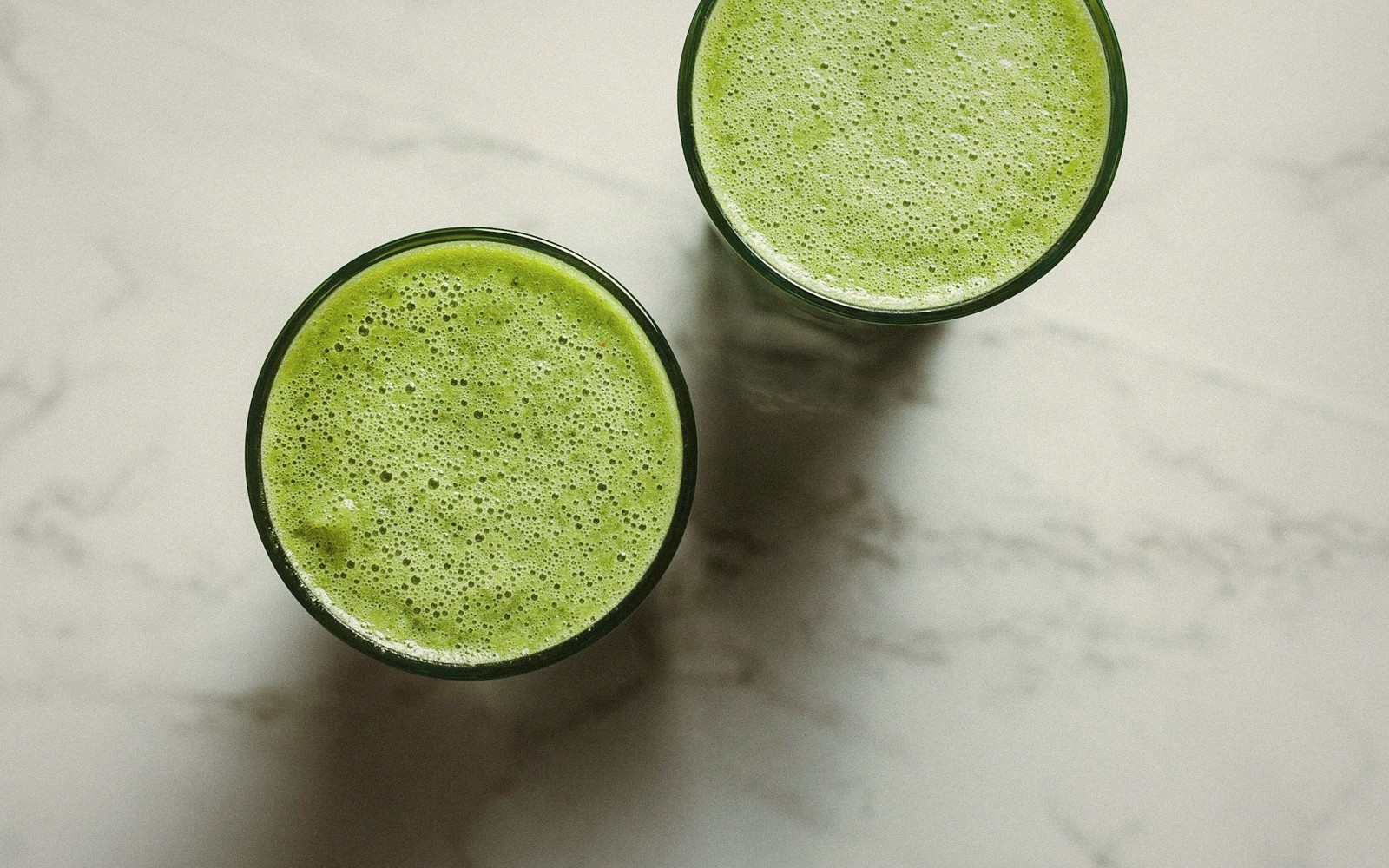
Classic green: cucumber, celery, apple, a thumb of ginger, a squeeze of lemon. The cucumber and apple provide enough moisture that you need very little added water, and the result is clean, grassy, and bright.
Carrot-orange: roughly equal parts carrot and fresh orange, with a small knob of fresh turmeric if you have it. Carrots need a bit more water and a longer blend — give them a full 60 seconds. The juice is sweet, vivid orange, and far better than anything from a carton.
Watermelon-lime: in summer, this is the easiest juice you'll ever make. Watermelon is almost entirely water, so add nothing — just blend the flesh (seeds are fine), strain, and squeeze in fresh lime. It barely needs straining; a single pass through the bag and it's done.
Beet-berry: roast or steam a small beetroot first, or use raw and accept a slightly earthier flavour. Blend with frozen blackberries and a little apple juice as your liquid. The colour is extraordinary.
A note on yield: the blender method extracts slightly less juice per kilogram of produce than a dedicated cold-press machine, which is where the "90%" figure comes from. You'll get more pulp left in the bag, and harder produce like raw beetroot or firm carrot benefits from a second squeeze. But for the cost of a nut-milk bag versus hundreds of dollars for a cold-press juicer, the trade-off is easy to make.
Blender "Cold-Pressed" Juice
- 3–4 cups chopped fruit & veg
- ½ cup cold water
- a squeeze of lemon
- strained through a nut-milk bag
- ice to serve